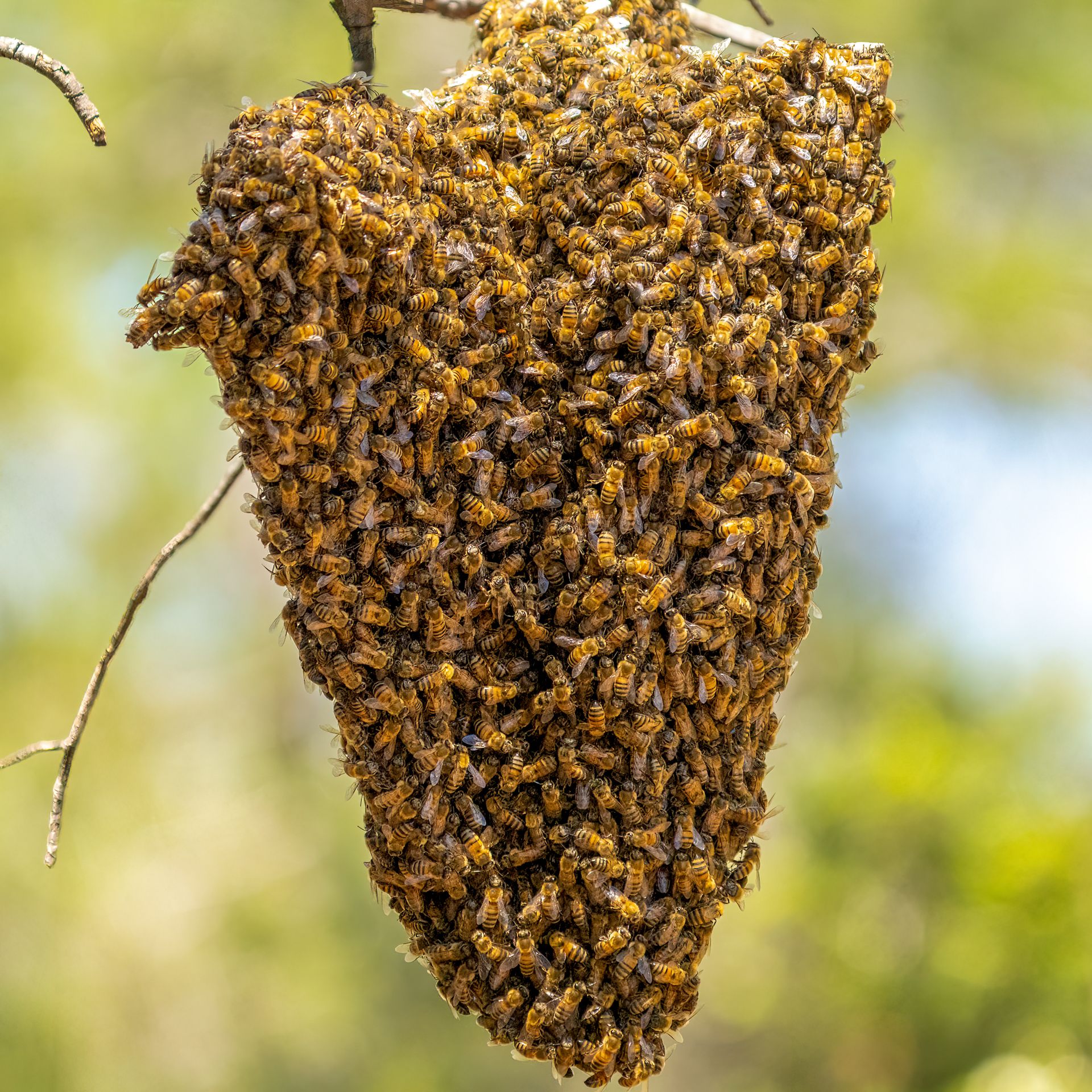
What is actually happening in the hive
A colony usually swarms right around the time the new queen cells are capped. So at the moment the swarm leaves, the original hive is left with capped queen cells, lots of brood that will keep emerging for days and plenty of nurse bees and foragers. It feels emptier, but it is far from empty.
Within a few days, a virgin queen emerges. She then needs time to mature, take orientation flights, go out on mating flights and finally start laying. None of this is instant, and it is very weather dependent, which is why patience matters more than anything you can do.
The recovery timeline
Here is the rough sequence after the swarm leaves. Treat the dates as approximate, because genetics and weather move them around.
| When | What is happening |
|---|---|
| Day 0 | Swarm departs, usually with capped queen cells left behind. |
| Day 1 to 3 | A virgin queen emerges from the first ripe cell. |
| Day 4 to 10 | The virgin matures and takes orientation flights around the hive. |
| Day 6 to 16 | Mating flights, weather permitting. This is the most delicate window. |
| Day 14 to 23 | A mated queen begins laying eggs. This is what you are waiting to see. |
In plain terms, expect a laying queen roughly two to three weeks after the swarm and do not be surprised if a stretch of bad weather pushes it later. The timeline tool above will turn your actual swarm date into real calendar dates.
What not to do while you wait
Most swarm recoveries that go wrong are caused by an anxious beekeeper, not the bees. A few things to avoid:
- Do not tear down the queen cells in a panic. Those cells are the colony's new queen.
- Do not keep pulling the brood nest apart every couple of days looking for the queen. A virgin is small, fast and hard to spot and you can hurt her.
- Do not open the hive during the mating window if you can help it. A returning queen that cannot find her way back, or gets disturbed, may be lost.
- Do not give up too early. Seeing no eggs at two weeks is normal, not a failure.
The useful work in this period is light and from the edges: make sure the colony has stores, keep an eye out for robbing and reduce the entrance if the colony is now small enough that it struggles to defend itself.
Watch for afterswarms
A strong colony does not always stop at one swarm. It may send out one or more smaller afterswarms, each led by a virgin queen, before it finally settles on a single laying queen. Each afterswarm leaves the original hive weaker.
If you want to reduce that risk, some beekeepers go in once, soon after the swarm and cut the colony down to one or two good queen cells. It is a real trade-off. Fewer cells means less chance of an afterswarm, but no backup if that one queen fails to mate. If you are new, leaving the cells alone is the safer default.
When to step in
Give the colony the full timeline before you worry. If you are past about three to four weeks from the swarm with no eggs and no sign of a queen, then it is time to act. Two warning signs in particular:
- No eggs or young larvae anywhere, well past the expected date.
- Multiple eggs in a single cell, eggs stuck to the cell walls or patchy drone brood in worker cells. These point to laying workers, which develop in a colony that has been queenless too long.
The simplest test is to add a frame of open brood with eggs from another hive. If the colony starts building queen cells on it, they were queenless and you have given them what they need. If they do not, there is likely a virgin or freshly mated queen in there after all, so keep waiting. If you confirm the colony is hopelessly queenless, the fastest fix is to introduce a mated queen.
These dates are easy to lose track of once the season gets busy. If you want them as reminders, you can log the hive in My Hives and it will suggest when to check next based on what you saw.